
Udita Rahman Arshee
Dept of Electronics and Communication Engineering (ECE),
Khulna University of Engineering and Technology (KUET)
Robots and automation are quickly altering how clothes are made, packed and shipped out, and it is having a huge impact on the clothing business. Already, many companies are employing new technologies to speed and streamline their processes. Examples include quality control systems that rely on AI and robotic sewing arms, or machines that move fabric about on their own. These new concepts help make things more accurate, consistent and productive and also reduce the amount of manual work. However, even though the benefits are evident, there are still significant concerns about using these kinds of technologies. For example, it costs a lot of money and needs a lot of competent staff to run. This article explores opportunities and challenges that arise when robots change how garments are created and how innovative companies are reshaping production practices globally. It also discusses how the ready-made garment (RMG) industry in Bangladesh is changing.
Keywords: Automation , Robotics , Garment Industry , Smart Manufacturing , AI in Textiles
Introduction:
The global apparel industry stands at a technological turning point. Traditionally dependent on manual labor for tasks such as sewing, cutting, and quality inspection, the sector has been increasingly pressured by rising labor costs, shrinking lead times, and the growing demands of fast fashion.In 2023, McKinsey & Company talked to people who worked in the apparel business and found that more than 60% of respondents believe that automation will be so important in the next five years to stay competitive. Robotic arms, autonomous fabric handling robots, and computer vision systems are some of the tools that businesses utilize to make their production processes better. For example, Adidas’ Speedfactory promised to shorten production lead time by more than 50% by adopting automated technology, which means that it reduces the need for manual labor compared to earlier methods.
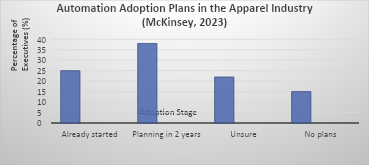
Figure 1: Apparel executives’ automation adoption plans based on McKinsey & Company 2023 report.
The second largest exporter of ready-made garments (RMG) in the world is Bangladesh. There are more than 4 million people that work for the industry, and a lot of them undertake low-skilled tasks. Automation could disrupt the way people work, but if it’s done well, it could also make work more productive, accurate, and competitive all around the world.
Challenges in Traditional Garment Assembly:
A lot of developing countries still use traditional methods of garment production. But these labor-intensive procedures cause problems that keep coming up.
1. Heavy Dependence on Manual Labor :Workers in garment factories often do things like cutting fabric, sewing, and checking the quality of the clothes by hand. People have thought for a long time that this is a good thing in places like Bangladesh, where wages are low. But when there aren’t enough workers, such as during the COVID-19 pandemic, these manual processes get slower and tougher to run.
2. Mistakes that happen often: Manual processes are prone to errors. Even workers who have been doing this for a long time could miss little mistakes or use different sewing methods. These problems can hurt a brand’s reputation and raise expenses because of returns and rework.
3. Low Production Speed and Output Limits: People get tired, have set hours, and work at different speeds, which are all natural limits of human labor. These things make it hard for traditional factories to keep up with the fast-paced needs of the global fashion market today. As fast fashion expands, producers need shorter lead times and faster turnarounds.
4. Limited ability to monitor and integrate data in real time: Most of the time, traditional setups don’t have digital systems that keep an eye on production, find problems right away, or predict when maintenance is required. It’s tougher to improve productivity or rapidly deal with problems without these kinds of technologies.
How Robotics and Automation Solve These Problems:Automation is helping clothing makers solve many of the problems that come up when they make things by hand. New equipment, software, and robots can increase speed, improve accuracy, and enhance flexibility.
1. Using machines instead of heavy manual labor
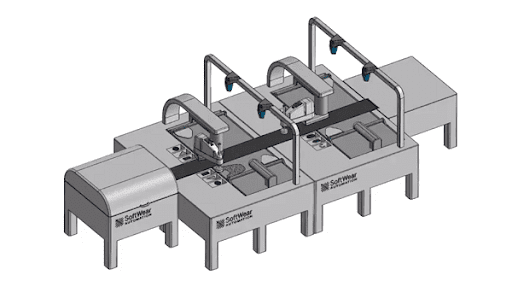
Robotic arms, automated fabric cutters, and smart sewing machines are some technologies that make it less necessary for people to work on every part of making clothes. For instance, SoftWear Automation’s Sewbot can sew a T-shirt in less than 22 seconds, which cuts the work needed by more than 50% compared to traditional sewing lines (SoftWear Automation, 2022). This lets factories make more with fewer workers.
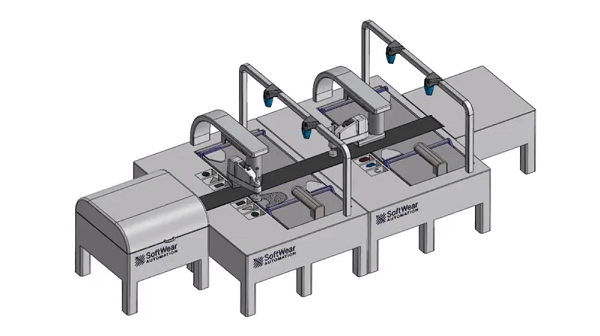
Figure 2: SoftWear Automation Launches First Sewbots
2. Improving Quality and Reducing Errors
AI-powered quality control systems use computer vision to find faults in fabric, uneven stitches, or mistakes in size as they happen. A study published in the International Journal of Clothing Science and Technology in 2021 by Sharma et al. found that automated inspection methods found 35% more defects than inspections done exclusively by people.
3. Making production faster and increasing output
Machines can work faster than people, and do not experience fatigue. The GarmentTech auto-cutter can cut 200 to 300 garments per hour, yet standard cutting tables can only cut 80 to 100 garments per hour (Textile Today, 2022). These speed benefits enable factories to keep up with short lead times.
4. It is possible to watch and analyze data in real time
Industrial IoT sensors and ERP software are used by modern “smart factories” to keep an eye on how well machines are working, producing, and when they require maintenance. According to a 2020 report by McKinsey & Company on Industry 4.0 in apparel, companies that used automation witnessed a 23% gain in production efficiency and a 19% decrease in downtime.
5. Working well even when things go wrong
According to ILO Asia-Pacific (2021), during the COVID-19 pandemic, automated manufacturing lines in Vietnam and South Korea were able to keep 70–90% of their regular output, but firms in Bangladesh that relied on workers dipped below 30%.
Table 1: Comparison Table: Manual vs. Automated Garment Production:
| Aspect | Manual | Automated |
| Labor Dependency | High | Low |
| T-shirt Sewing Time | ~2–3 minutes | 22 seconds (Sewbot) |
| CuttingSpeed | 80–100 garments/hour | 200–300 garments/hour (GarmentTech) |
| Error Detection | Human-dependent, inconsistent | AI-powered, 35% more defects found |
| Downtime During COVID-19 | >70% drop in Bangladesh | Only 10–30% drop in Vietnam, S. Korea |
Source: Compiled from SoftWear Automation (2022), Textile Today (2022), ILO Asia-Pacific (2021), and McKinsey & Company (2020) Asia-Pacific (2021), and McKinsey & Company (2020).
Global Adoption and Case Studies:
Automation in clothing production is no longer a dream, it’s a growing reality. Many governments throughout the world have already started using modern technologies to make things faster, more accurate, and more efficient.
1. The United States: The U.S. is at the forefront of new ideas in robotics. SoftWear Automation, which is situated in Atlanta, made the Sewbot system, which can make T-shirts and other clothes with very little help from people. For instance, Adidas’ Speedfactory in Atlanta used automation to shorten lead times by more than half and bring production closer to the customer.
2. Germany: Germany is known for high-tech manufacturing. Its factories use robotic cutting machines, AI-based flaw detection, and manufacturing systems that work with ERP. For full visibility of the supply chain, many German businesses adopt automated warehousing and RFID tracking. Adidas and Puma tried out localized, automated production models in factories in Germany.
3. China: A report from the China National Textile and Apparel Council (CNTAC) in 2022 says that more than 40% of big textile companies have started using AI or robots. Hangzhou and Suzhou are two cities with government-backed industrial zones that encourage automation and the use of smart factories.
4. Vietnam and South Korea: During the pandemic, these countries stood out because they were able to keep things running with the help of technology. ILO Asia-Pacific (2021) says that Vietnam and South Korea’s automated clothing lines kept 70–90% of their typical output. Both countries are investing heavily in Industrial IoT and training their workers.
5. Bangladesh—Slowly but surely adopting: Bangladesh is the second-largest exporter of clothes, although it still relies heavily on human labor. The Bangladesh Garment Manufacturers and Exporters Association (BGMEA) says that as of 2023, less than 20% of garment manufacturers have made major changes to how they work. Some of the problems are:
- High cost of technology
- Fear of job loss
- Lack of technical training
But several big exporters are trying out automated cutting, barcode scanning, and digital quality checks, which shows that things are starting to change.
Table 2: Global comparison of garment industry automation across selected countries (Compiled from ILO, CNTAC, BGMEA, McKinsey, and SoftWear Automation sources).
| Country | Automation Status | Key Technologies | Notable Facts |
|---|---|---|---|
| USA | High (pioneering stage) | Sewbot, Speedfactory | Reduced lead times by 50% (Adidas) |
| Germany | Advanced | AI QC, ERP, RFID, robotic cutting | Known for precision automation |
| China | Rapidly expanding (40%+ adoption) | AI, robotics, smart zones | Hangzhou, Suzhou lead smart factory zones |
| Vietnam & S. Korea | High resilience during COVID-19 | Industrial IoT, smart production lines | Maintained 70–90% output during the pandemic |
| Bangladesh | Low (<20% of factories automated as of 2023) | Automated cutting, barcode scanning (trial) | Facing cost, training, and job loss concerns |
Bangladesh’s Position and Path Forward: Despite being the world’s second-largest RMG exporter, Bangladesh lags in automation adoption. As of 2023, only 18.6% of factories have implemented any form of automation (BGMEA, 2023).
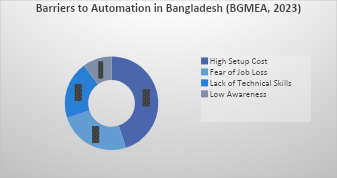
Figure 3: Reported barriers to automation adoption in RMG factories (BGMEA Survey, 2023)
Cost Barriers:
The high initial cost is one of the greatest problems with automating Bangladesh’s garment industry. The World Bank says that setting up a fully automated sewing line can cost anywhere from $150,000 to $500,000, depending on the size of the business and how advanced the equipment are (for example, robotic arms, AI-based inspection tools, and ERP connection).
This investment is conceivable for big factories, but for the more than 80% of RMG units that are small or medium-sized businesses (SMEs), it is just too expensive without aid from outside. Furthermore, additional costs are involved in:
- Worker training programs
- Infrastructure upgrades (power, internet, ERP systems)
- Maintenance contracts with foreign suppliers
This cost burden has slowed the adoption of smart technology in Bangladesh, despite its global competitiveness in labor.
Solution:
Public-private partnerships that offer subsidised tech loans to small and medium-sized businesses (SMEs) would make it easier for them to buy robotics and digital technology. National programs to help workers learn new skills so they can work with robots and computers (backed by ILO & A2i) → Training ensures that automation doesn’t take jobs away, but changes them. Pilot smart manufacturing zones in Dhaka and Chattogram with tax breaks. These focused zones can show benefits on a large scale and bring in international investment.
Conclusion: In short, automation is changing how clothes are made. Many countries are adopting technology to create clothes faster, more correctly, and more dependably. The US had Sewbots, but China and South Korea had smart factories. Bangladesh has much potential, even though it got off to a slow start. But it trains its workers and helps local businesses buy new equipment. Automation doesn’t have to mean fewer jobs; it can also help workers. They can be supported and trained for future-ready roles instead. Bangladesh can stay competitive in the clothing market and build a better, more sustainable future by finding the appropriate balance.
Reference:
1.McKinsey & Company. (2023). The Sate of Fashion: Technology Report. https://www.mckinsey.com/t
2.hSoftWear Automation. (2022). Sewbot Overview and Technical Data.https://www.softwearautomation.com/sewbot
3.Sharma, A., et al. (2021). AI-based defect detection in garment production. International Journal of Clothing Science and Technology. https://doi.org/10.1108/IJCST-01-2021-0005
4.Textile Today. (2022). Automation in Bangladesh’s RMG Sector.https://www.textiletoday.com.bd
5.ILO Asia-Pacific. (2021). COVID-19 and the Garment Sector in Asia.https://www.ilo.org/
https://www.textiletoday.com.bd
https://doi.org/10.1108/IJCST-01-2021-0005
https://www.softwearautomation.com/sewbotttps://www.mckinsey.com/
https://www.softwearautomation.com/sewbot