Mashtura Tahsin Priti, Bangladesh University of Textiles (BUTEX)
Abstract: Nanotechnology is significantly reshaping the textile industry by introducing enhanced functionality and advancing sustainability practices. By utilizing nanoscale materials, textile products gain innovative properties such as antimicrobial activity, UV protection, water resistance, and superior durability. These enhancements align with growing environmental consciousness and performance demands across fashion, medical, and industrial sectors. This article delves into the foundational principles of nanotechnology, its integration into textiles, real-world applications, and its contribution to eco-friendly manufacturing. It also examines the health, environmental, and ethical considerations accompanying this technological shift. Through a comprehensive lens, the article highlights how nanotechnology is revolutionizing textile innovation for a sustainable and high-performance future.
Keywords: Nanotechnology, Sustainable textiles , Smart fabrics, Textile innovation ,Performance enhancement
1. Introduction : The textile sector is undergoing rapid transformation, driven by the dual need for performance and environmental sustainability. Conventional fabric production is resource-intensive, consuming large amounts of water, chemicals, and energy while contributing to waste and pollution. Nanotechnology, which manipulates matter at scales below 100 nanometers, offers promising solutions to address these challenges. At this scale, materials display unique physical and chemical properties that can be harnessed to significantly improve textile performance while also enabling greener manufacturing processes.
2.1 What Is Nanotechnology? Nanotechnology involves the study and application of extremely small materials and devices, generally between 1 and 100 nanometers in size. Due to their small size, nanoparticles possess unique attributes such as increased reactivity, surface area, and quantum effects, which are not observed in their bulk counterparts.

Figure: Nanotechnology
2.2 Methods of Application of Nanotechnology in Textiles
Nanotechnology can be integrated into textiles through various techniques:
-
- Surface Coating or Nano-finishing: Fabrics are treated with nanoscale coatings to impart specialized properties.
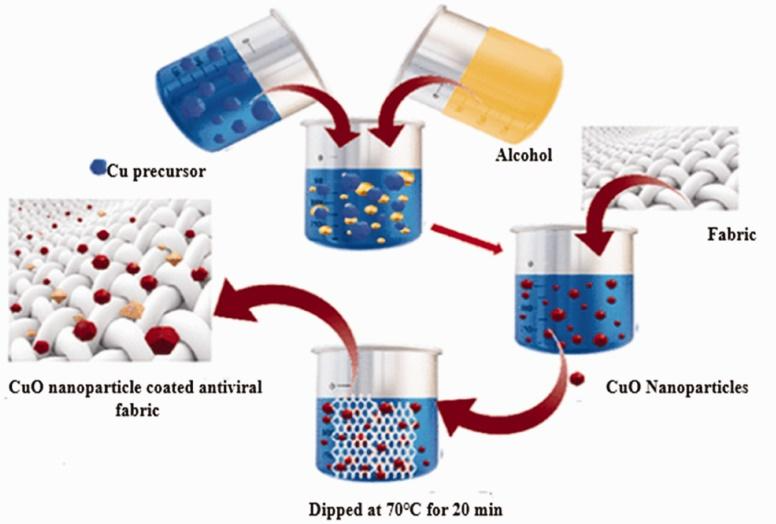
Figure: Surface coating nanofinishing
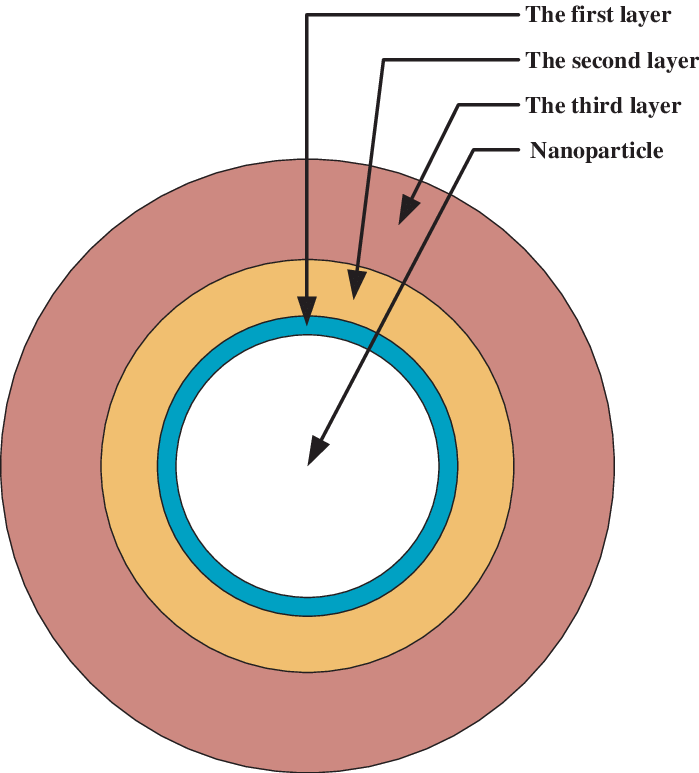
Nano-Embedded Fibers: Nanoparticles are embedded directly into the fiber matrix during manufacturing.
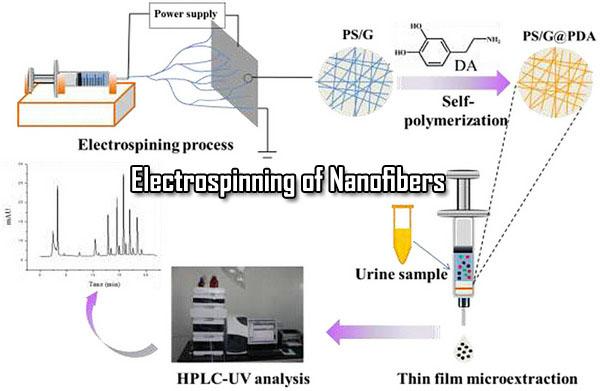
Ectrospinning: A method that uses electric force to draw nanofibers from a polymer solution for use in textiles. These applications allow for tailored improvements such as water repellency, odor resistance, and thermal regulation.
3. Enhancing Fabric Performance with Nanotechnology
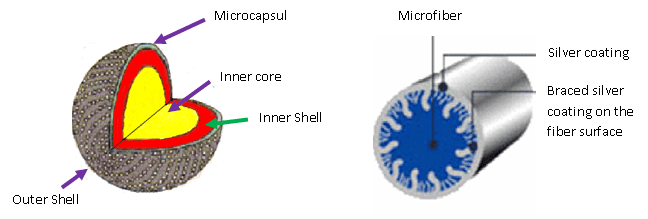
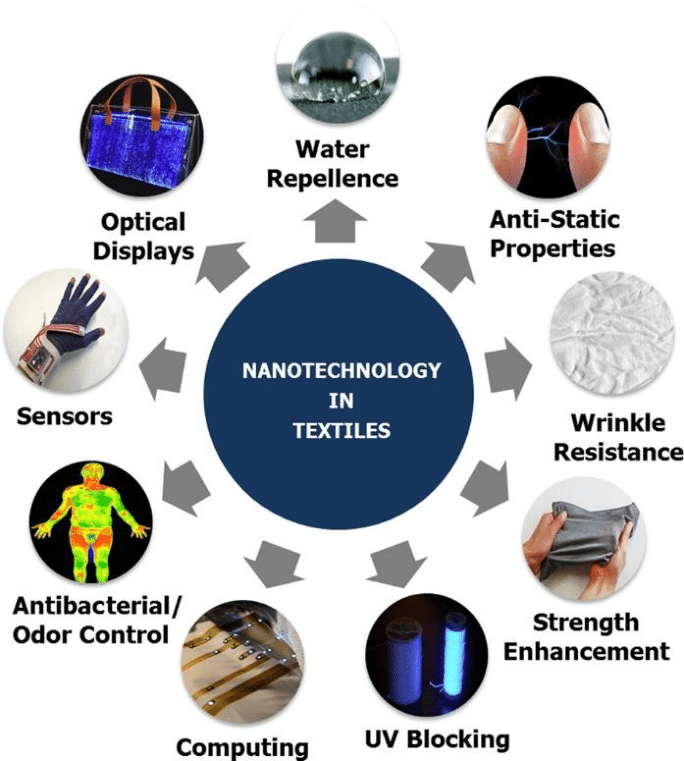
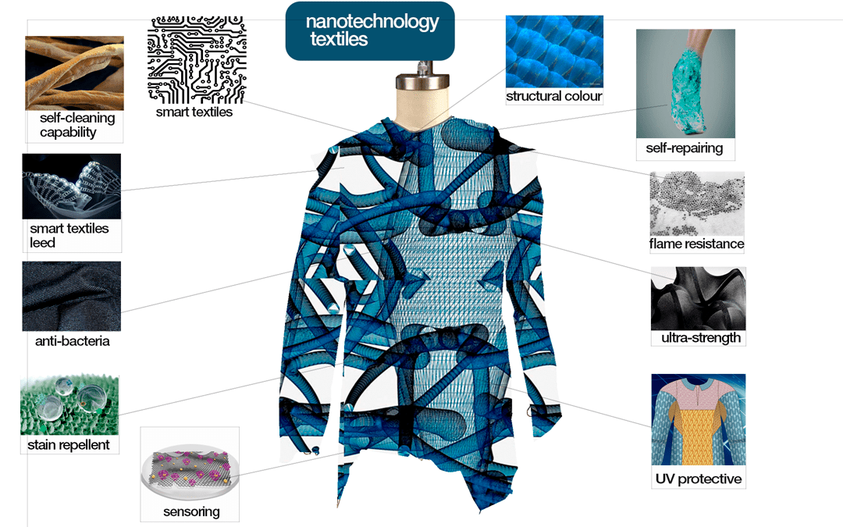
3.1 Antimicrobial properties: Antibacterial and Odor Control Silver nanoparticles are commonly used in fabrics for their antibacterial properties. These nanoparticles inhibit the growth of microbes by disrupting their cellular structures, making them ideal for sportswear, socks, hospital garments, and uniforms.
3.2 UV Protection: Protection Against UV Rays Titanium dioxide (TiO2) and zinc oxide (ZnO) nanoparticles are applied to fabrics to block ultraviolet rays. These substances absorb and scatter harmful UV radiation, offering skin protection and improving garment longevity.
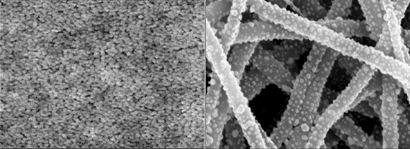
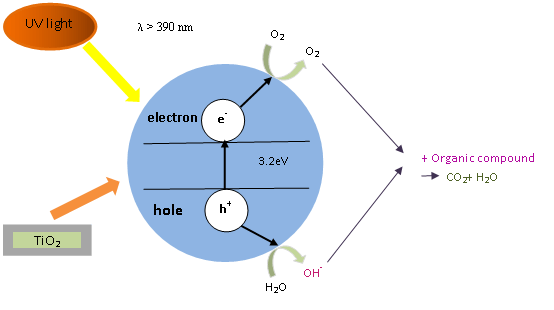
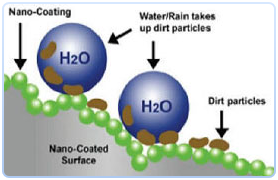
Figure: Hydrophobic surfac
3.3 Water and Stain Resistant: Liquid and Stain Resistance Inspired by natural surfaces such as lotus leaves, nanotechnology creates hydrophobic surfaces that repel water and stains. This makes the fabric easier to clean and reduces the frequency of washing.
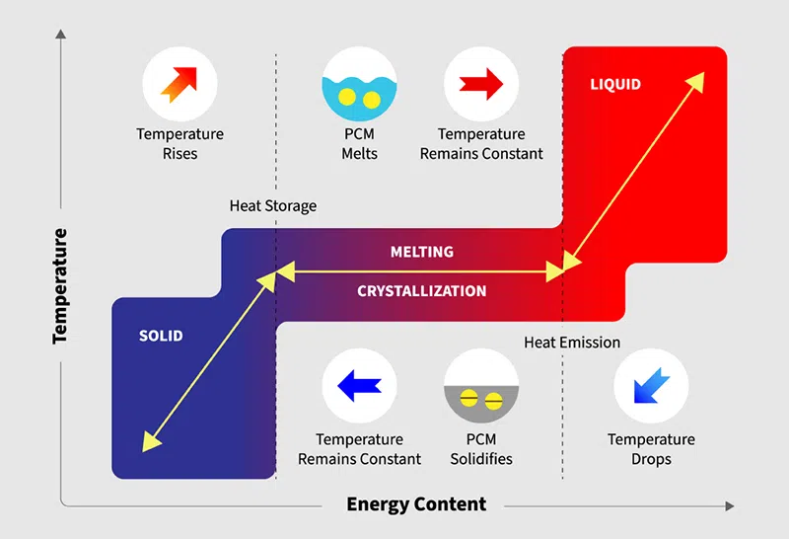
3.4 Thermal Regulation: Climate Adaptive Textiles Nanotechnology enables the inclusion of phase change materials (PCMs) in fabrics, which regulate temperature by absorbing and releasing heat. Such materials enhance comfort in changing environmental conditions.
3.5 Wrinkle-Free and Shrink-Resistant: Fabric with these properties i.e. enhanced with nanopolymers can retain their shape and resist wrinkles. These features are particularly useful for business wear and travel clothing.
4. Promoting Sustainablility through Nanotechnology
4.1 Longer Product Lifespan: Nano-enhanced textiles generally have a longer lifespan due to their resistance to wear, tear, and microbial degradation. This reduces the need for frequent replacement and minimizes overall textile waste.
4.2 Reduced Water and Energy Consumption: Textiles with self-cleaning properties require fewer washes, leading to savings in water and energy. This contributes to a lower environmental impact during the product lifecycle.
4.3 Eco-friendly Nanomaterials: Emerging bio-based nanoparticles such as cellulose nanocrystals and chitosan offer biodegradable alternatives to traditional synthetic chemicals, promoting more sustainable production.
4.4 Reduced Use of Harmful Chemicals: Nanotechnology can replace or significantly reduce conventional additives like formaldehyde-based wrinkle resistants, synthetic flame retardants, and heavy-metal dyes, making production cleaner and safer.
4.4 Green Nanomaterials:
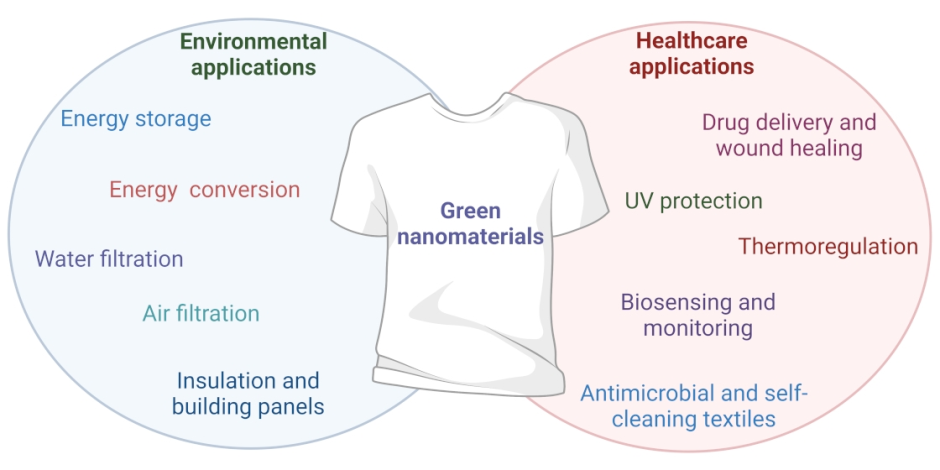
Green nanomaterials are sustainable, environmentally friendly nanoparticles made from natural or biodegradable sources that are intended to reduce risks to the environment and human health. These materials are essential to smart textiles because they improve functionality without sacrificing sustainability. Plant-based polymers, chitosan nanoparticles, and cellulose nanocrystals are examples of common green nanomaterials. They provide qualities like moisture control, heat regulation, and antimicrobial activity. They are non-toxic, biodegradable, and frequently derived from renewable biomass, in contrast to conventional nanomaterials. By lowering chemical waste and enhancing end-of-life recyclability, their use in smart textiles advances the objectives of the circular economy.
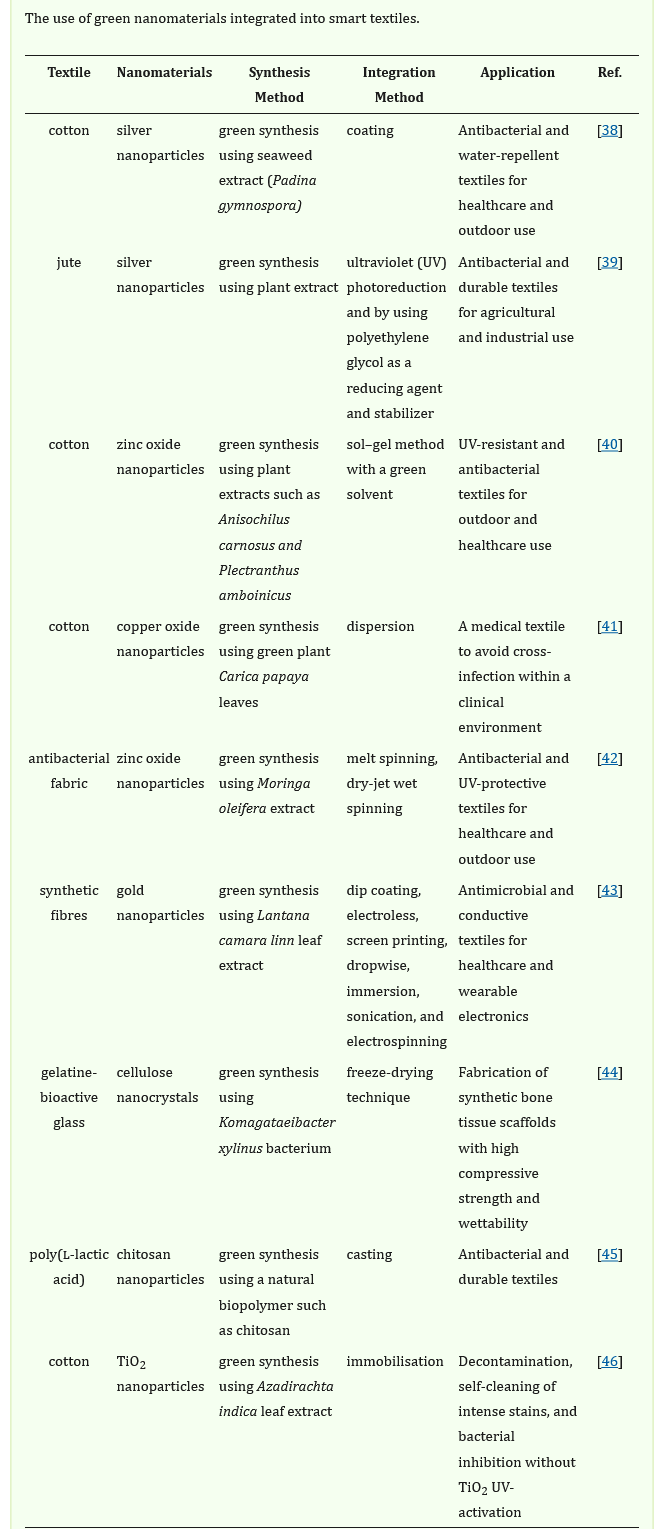
Source:https://pmc.ncbi.nlm.nih.gov/articles/PMC10254517/
5. Innovations and Industrial Applications
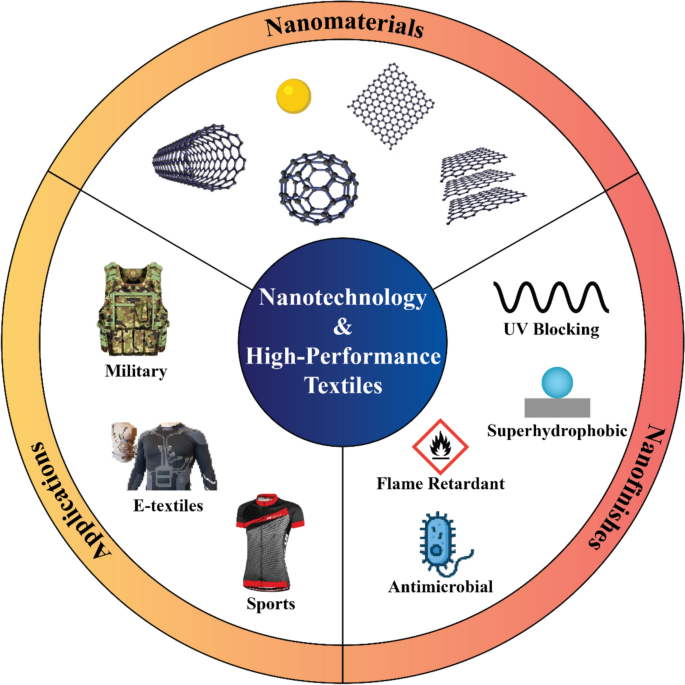
5.1 Sports & Active Wear: Athletic and Performance Wear Global brands like Under Armour and Nike use nanotech fabrics to create lightweight, moisture-wicking, and odor-resistant apparel. These features are essential for athletes and active consumers.
5.2 Healthcare Textiles: Medical Textiles Hospitals benefit from nanotech textiles through antibacterial sheets, gowns, and masks that reduce the spread of infections. Some textiles can even monitor patient vitals using nanosensors.
5.3 Military & Protective Gear: Outdoor and Technical Apparel Clothing companies develop jackets and gear with nanocoatings for waterproofing and temperature control, ideal for mountaineering, military use, and extreme weather conditions.
5.4 Fashion Industry: Fashion and Everyday Use Nano-treated fabrics are now found in casual and formal wear. Consumers benefit from garments that stay fresh, resist staining, and require less maintenance.
6. Nanotechnology Clothing Market
Nanotechnology clothing refers to the use of nanoparticles or nanofibers in the production of clothes and fabrics, which then allows for the improvement of fabric quality without noticeably increasing weight, thickness, or stiffness. To improve the surface characteristics of clothing, nanoparticles are increasingly used in combination with fabrics or as a coating on clothing.
6.1 The growth Rate of Nanotechnology Clothing Market
In recent years, the nanotechnology clothing industry has grown exponentially. With a compound annual growth rate (CAGR) of 24. 6%, it rose from $9.72 billion in 2024 to $12.1 billion in 2025. Performance enhancement, fashion and style innovation, health and wellness products, comfort, and lightweight fabrics, textile industry competitiveness, and garment industry growth can be attributed to the historic period.
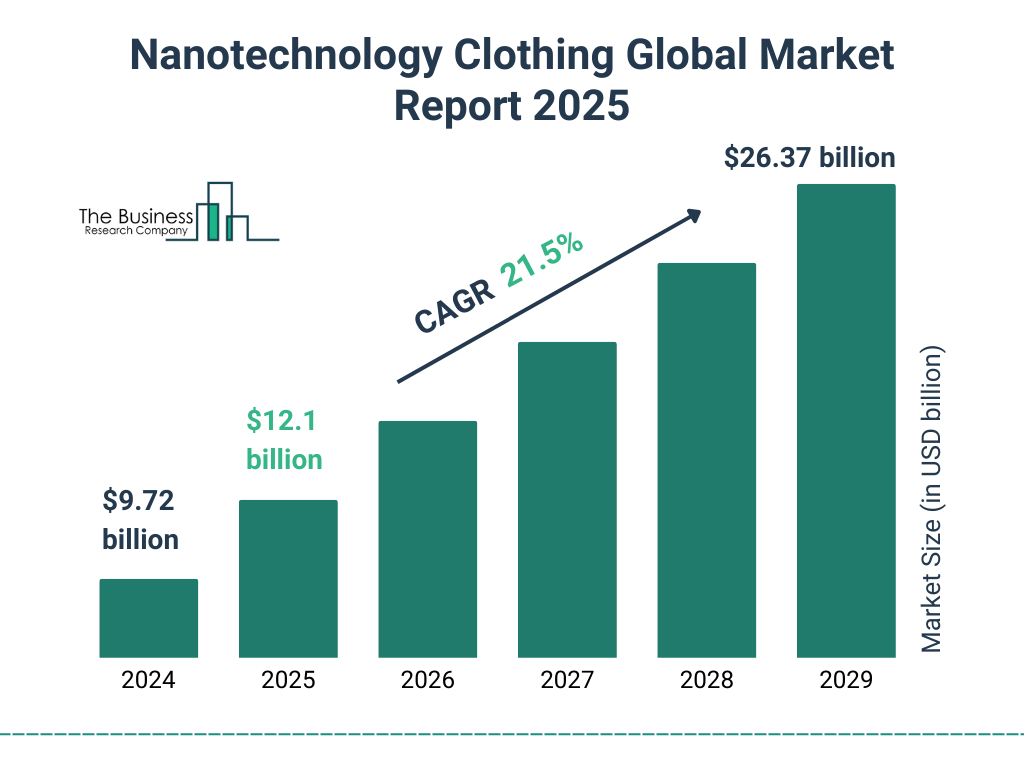
The nanotechnology clothing market size is expected to see an exponential growth in the next few years. It will grow to $26.37 billion in 2029 at a compound annual growth rate (CAGR) of 21.5%.
6.2 Nanotechnology Clothing Market Driver: Consumer Health And Wellness Fueling Growth In The Nanotechnology Clothing Market
Consumer awareness and increasing emphasis on healthier lifestyles are fueling demand for clothing that not only provides security and stability but also contributes to overall well-being. Nanotechnology clothing can help consumers who are looking for a healthy and active lifestyle. For example, the majority of people in the UK (73 % of males and 75.7% of women) were in good or excellent health in March 2022, according to the Office for National Statistics, a UK-based government department. According to this, the growing demand for health and wellbeing among consumers is fueling the increase of the nanotechnology clothing industry.
6.3 Major Players of Global Nanotechnology Clothing Market
BASF SE, Toray Industries Inc. , Teijin Frontier Co. Ltd. , Patagonia Inc. , Helly Hansen AS, Osmotex AG, Osmotex AG, Ostwick Textile Inc. , NuMat Technologies Inc. , Nanotech Industrial Solutions Inc. , LiNte Ltd. , NuMat Technologies Inc. , Licence Ltd. , NuMat Technology Inc. , Liability Company Ltd. These companies are mainly operating in the nanotechnology clothing global market.
7. Safety and Ethical Considerations in Nanotechnology
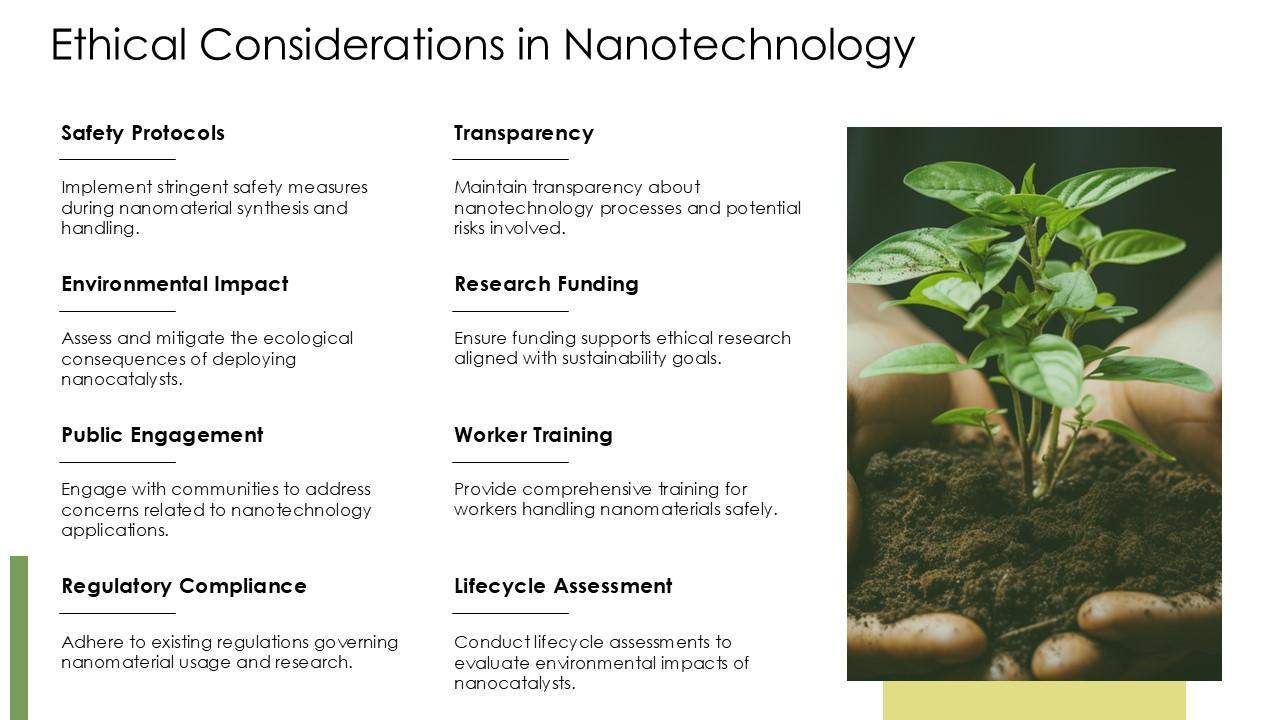
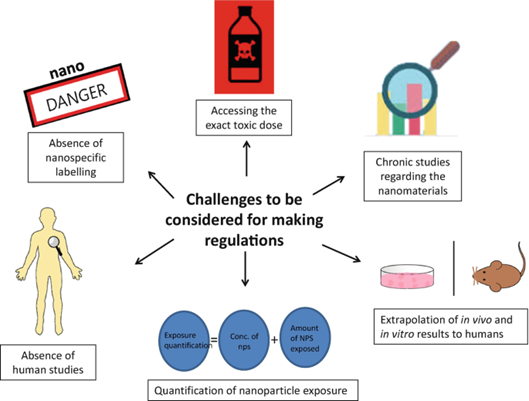
7.1 Human Health Concerns: Although nanoparticles offer numerous advantages, concerns persist regarding their long-term effects on human health. Inhalation or prolonged skin exposure to particles like nano-silver and TiO2 could pose risks that are not yet fully understood.
7.2 Environmental Risks: Nanoparticles may enter waterways through laundering and disposal, potentially impacting aquatic ecosystems. Research is ongoing to determine the behavior and toxicity of nanoparticles in natural environments.
7.3 Regulation and Transparency: There is currently a lack of comprehensive global regulation for nanomaterials in textiles. Transparent labeling and safety standards are essential to ensure consumer awareness and protect public health.
7.4 Cost and Scalability: High production costs and challenges in scaling up nanotechnology applications can hinder widespread adoption. Investments in research and development are necessary to make these technologies more accessible.
8. Future Outlook
8.1 Circular Economy Approaches: Researchers are exploring ways to develop recyclable nanofabrics and reduce the environmental burden at the end of a product’s life. Strategies include using detachable nanocoatings and fully biodegradable nanofibers.
8.2 Integration with Wearable Technology: Nanotechnology is paving the way for smart textiles embedded with sensors that can monitor heart rate, hydration levels, and movement. These fabrics can be used in sports, military, and healthcare settings.
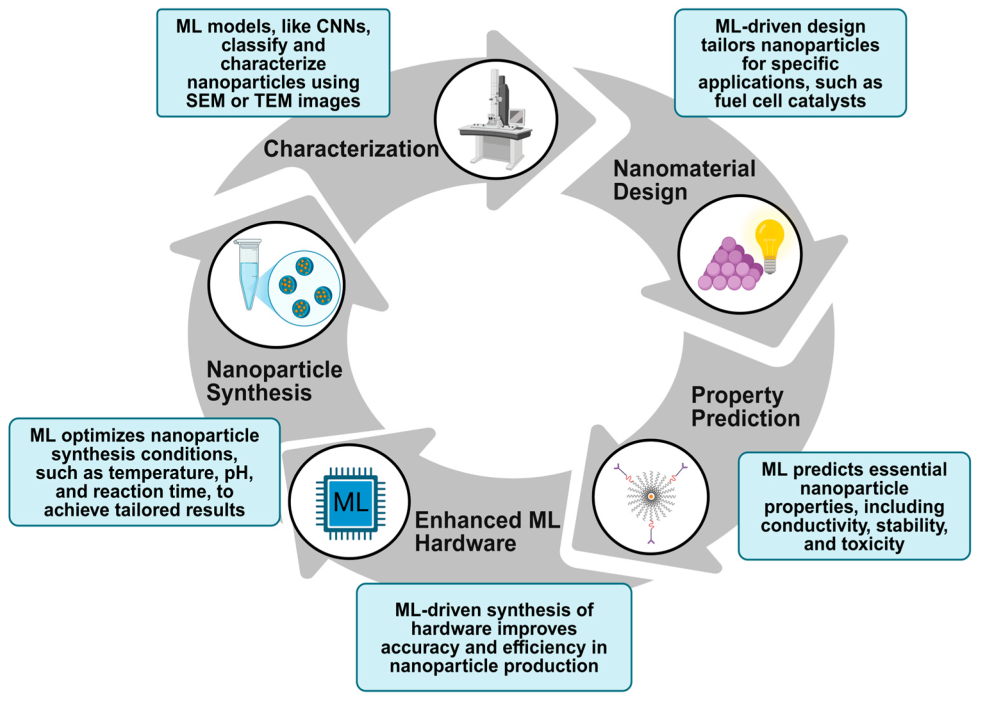
8.3 AI in Nanomaterial Development: Artificial intelligence is being employed to design and simulate nanomaterials more efficiently, reducing research time and accelerating innovation.
Conclusion:
Nanotechnology is transforming textiles by offering advanced functionality while promoting sustainability. Its contributions range from enhancing fabric properties to reducing water and chemical usage. However, it also brings challenges such as potential health and environmental risks that must be managed responsibly. As research progresses and regulations develop, nanotechnology has the potential to become a standard in sustainable and high-performance textile production.
References
1. Bhushan, B. (2012). “Introduction to Nanotechnology.” Springer.
2. Rieger, K. A., & Schiffman, J. D. (2014). “Electrospinning: A key method to produce nanofibers for technical textiles.” Journal of Materials Chemistry B.
3. Textile World. (2023). “Nanotechnology Trends in Textiles.”
4. European Commission. (2022). “Sustainable Design and Safe Nanomaterials.”
5. ScienceDirect. (2021). “Assessing Environmental Impacts of Nanotextiles.”
6. MDPI. (2020). “Green Innovations in Textile Nanotechnology.”
7. Nano.gov. (2023). “What is Nanotechnology?”
8. https://www.basic-concept.com/c/what-is-nanotechnology-with-advantages-and-disadvantages
9.https://www.researchgate.net/publication/255566717_Interfaces_features_in_polymer_
nanocomposites_A_review_of_proposed_models?_tp=eyJjb250ZXh0Ijp7Im
ZpcnN0UGFnZSI6Il9kaXJlY3QiLCJwYWdlIjoiX2RpcmVjdCJ9fQ
10. https://textilefocus.com/nanotechnology-in-textiles-improving-fabric-performance/
11. https://www.slideteam.net/ethical-considerations-in-nanotechnology-ppt-presentation-acp.html
12. https://www.thebusinessresearchcompany.com/report/nanotechnology-clothing-global-market-report