Author: Roaida Binta Ali
Institutional Affiliation: Khulna University of Engineering and Technology, Department of Electrical and Electronic Engineering.
Abstract
As the fashion and textile industries face increasing pressure to lessen environmental damage, they are trying to develop bio-based textiles as a sustainable offering. Some innovative materials and natural sources, such as algae, mushrooms (mycelium), bacteria, and fruit waste, serve as green alternatives to conventional fabrics. They are biodegradable, renewable, and often created with reduced energy and water consumption. This article discusses the science of these materials, with global brands and their applications as examples, together with their benefits, challenges, and future potential. With a specialized focus on Bangladesh opportunities within a growing sector, this paper seeks to offer ways in which Nature meets technology to transform the future of fabric. Because of climate urgency and consumer demand for ethical fashion, bio-based fabrics represent an essential steppingstone toward a regenerative textile economy where nature and technology exist in harmony.
Keywords
Bio-based Sustainable Textiles, Algae Fabric, Mycelium Leather, Circular Economy, Biodegradable materials, Future of Fabric
Introduction
The fashion industry is at a crossroads as it grapples with climate change and ecological degradation. Textile manufacturing accounts for more than 10% of global carbon emissions and tremendous water wastage. Bio-based textiles are eco-friendly fabrics that are made from natural, renewable sources like seaweed, fungi, fruit waste, and plants. Instead of using synthetic or harmful materials, these textiles are grown or made from living organisms, making them biodegradable, sustainable, and safer for the planet. Polyester produced from fossil fuels and leather from animal hides present both ethical and environmental issues. Taking nature as a source of inspiration rather than a resource, a new generation of innovators began to develop and promote bio-based textiles from renewable biological matter, such as algae, fungi, and fruit waste-as an alternative for fashion materials. Their next-generation new fabrics present a true class of biodegradable, low-impact materials to replace synthetic, highly chemically intensive textile resources, thus opening a new chapter in world fashion and material science. Bio-based textiles are being designed, with the help of biotechnological and material engineering advances, to be greener and yet may compete with, if not even outperform, the traditional textile in terms of function and aesthetics. The article covers the progress, practical use, challenges, and future scope of bio-based textiles while identifying interesting prospects for countries such as Bangladesh, whose claim to fame is the apparel business, to be part of this regenerative revolution.
Bio-Based Textiles
Bio-based textiles are manufactured from substances of renewable and biodegradable origin, such as mycelium, bacterial cellulose, and plant biomass. Unlike synthetic fabrics, these textiles are designed to lessen environmental damage during all stages of a product after its life cycle, such as less irrigation or chemicals, lower carbon emissions, and finally natural decomposition. Application types move from green fashion into medical fields, including sutures, artificial skin, etc. Fiber extraction technologies now allow the extraction and utilization of agricultural wastes, such as pineapple leaves, banana stems, and citrus peels, strengthening the capability of sustainable textile options and becoming a solution to decrease pollution and textile waste.
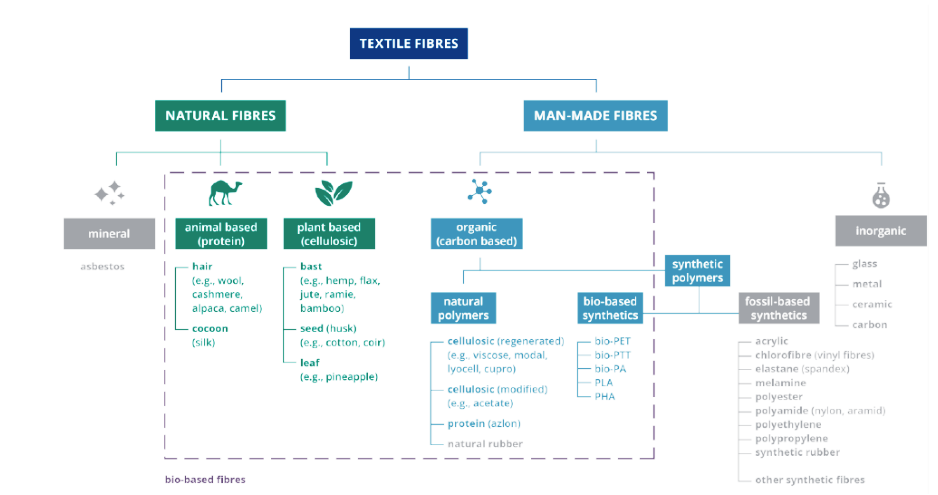
Figure-01: Types of Textile Fibers
Key Types of Bio-Based Textiles:
- Mycelium-Based Textiles (A Sustainable and Versatile Alternative):
Mycelium thrives on organic waste, and it is now used for making sustainable textiles. Mycelium growth on organic waste, like wood and agricultural residues, creates a network of fibers that is an alternative to biodegradable leather. Pleurotus ostreatus efficiently digests plant matter to make textiles, and polyester to create bio-composites having high strength properties. The combination of natural β-glucan and chitin in the cell walls of fungi provides the textiles with their enduring qualities. Mycelium textile is an innovative solution to conventional fabric and plastic materials because it grows sustainably and breaks down naturally in the environment. The material is both durable and lightweight and environmentally friendly. It presents an attractive option when compared to traditional fabrics and plastics.
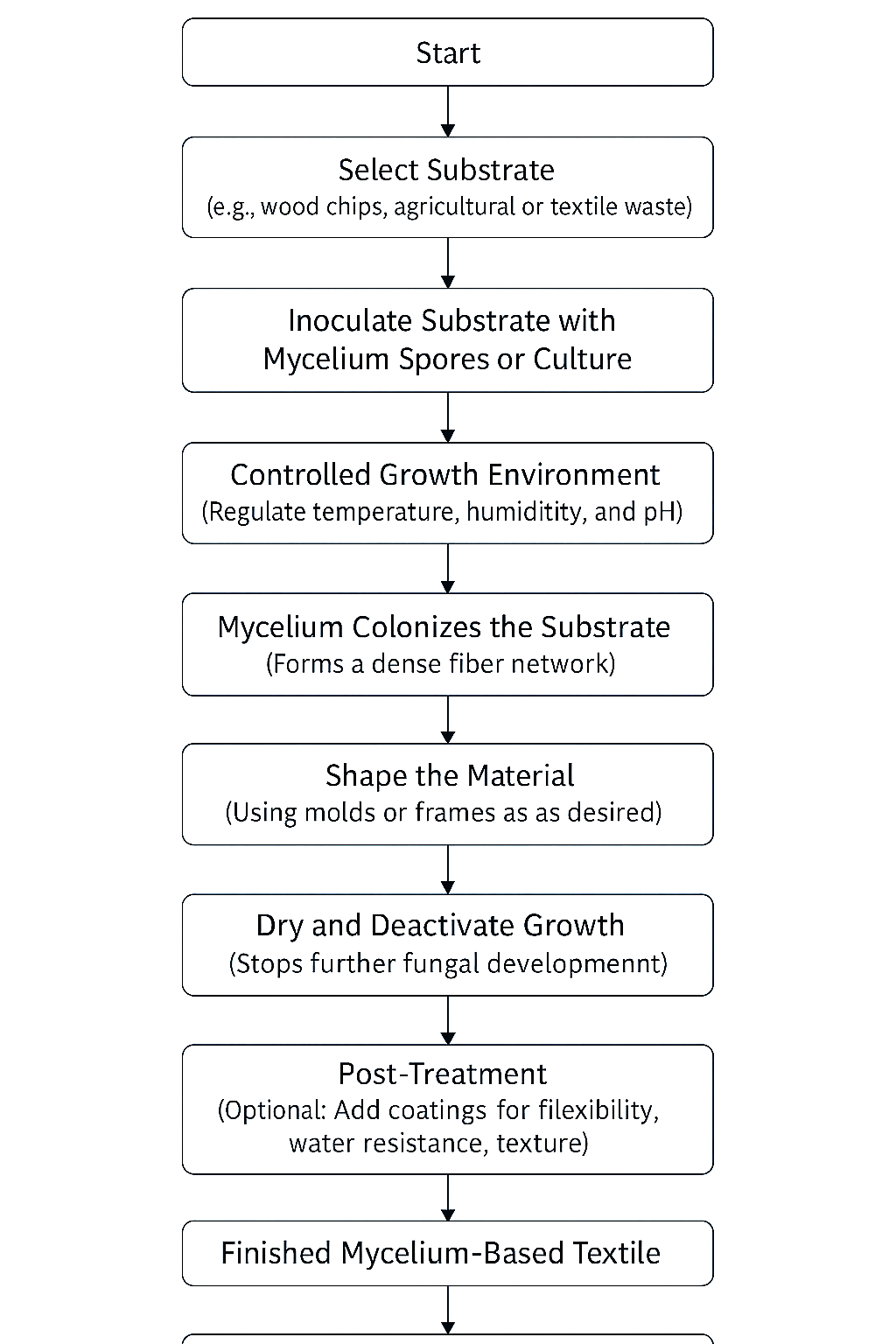
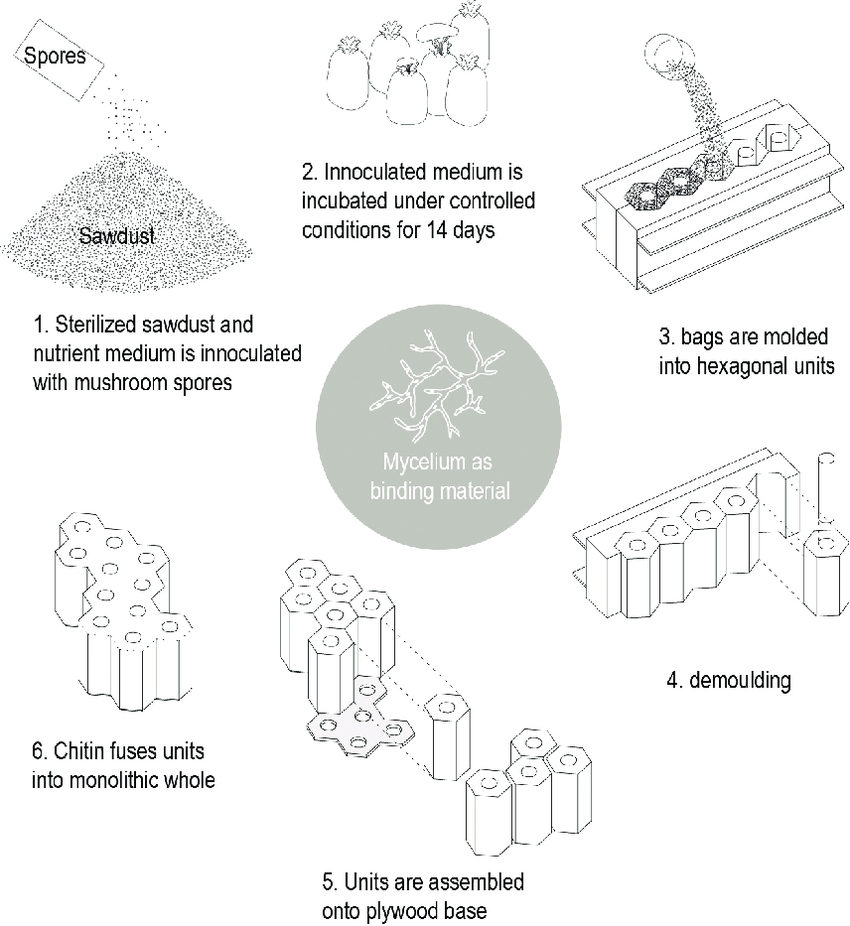
Note: This visual outline the production of mycelium-based materials. Mushroom spores grow through a sawdust medium, forming a fibrous network. Once molded, dried, and assembled, the natural chitin binds the structure into a solid form, demonstrating how fungi can serve as a sustainable textile resource.
- Algae-Based Bio textiles (Sustainable Strength and Natural Color from the Sea):
Algae, especially brown algae and seaweed, are increasingly important in sustainable textile production. It is used to make alginate, and it serves as a coating or binder in textile production to boost fabric strength and durability. Alginate also helps in making eco-friendly gels, foams, and sponges. Natural dyeing agents can be extracted from the algae thanks to pigments like chlorophyll, phycocyanin, and beta-carotene. More radical methods use the whole algae, such as Spirulina, in water-based dyes to cut back on chemical waste. Welcome to the perspective where algae grow fast, sometimes on unfarmable land, and even in wastewater, making it an environmentally smart and versatile option for green fashion.

Figure-04: SEM Images of Reference Materials without Algae Application, Untreated Cotton Fabric, and Cotton Fabric with Pure Alginate Application.
Note: SEM images reveal that alginate-coated cotton fabric looks nearly identical to uncoated fabric, suggesting that the alginate forms a very thin, uniform layer. This means the fabric’s texture stays the same while gaining added functionality.
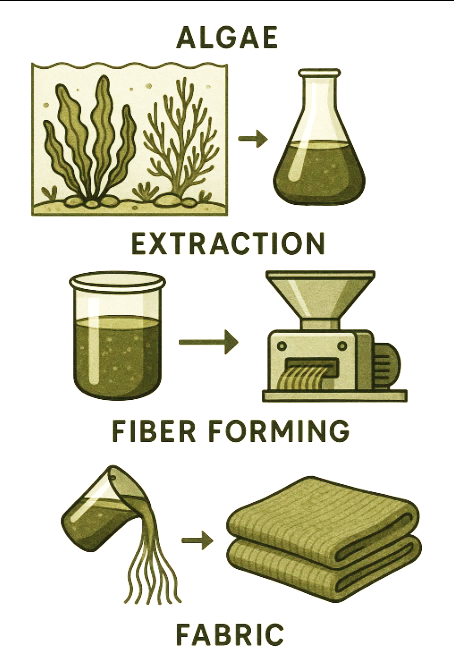
Figure-05: Algae Transformation Process
- Microbial and Protein-Based Bio Textiles (Engineering Nature for Fabric Innovation):
Microbial cellulose like Gluconacetobacter xylinusoffers have higher strength and flexibility than plant-derived alternatives. It is developed through low-impact fermentation and fabricated into green fibers. In addition to bacteria, yeast, fungi, and algae are also utilized to build natural composites. Synthetic biology developments have allowed proteins to be manufactured through genetically engineered microbes. This includes collagen and silk fibroin, strong, breathable, biodegradable materials. Recombinant silk is an implementation of genetic engineering wherein silk is produced that imitates spider or silkworm silk, offering a durable and sustainable alternative to synthetic fabrics and leather.
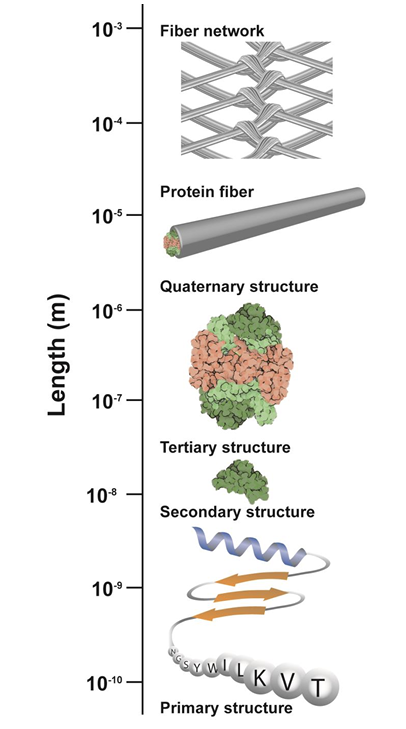
Note: The structure-dependent functional properties of protein networks begin with the assembly of amino acids that form the primary structure, which regulates the coordinated assembly of protein fibers to form networks.
- Emerging Bio-Based Materials
| Source Material | Derived Product | Properties |
|---|---|---|
| Algae | Alga-based yarns or films | Breathable, biodegradable, water-efficient |
| Mycelium (mushrooms) | Mylo leather, Reishi leather | Soft, strong, animal-free leather alternative |
| Orange Peel | Orange Fiber silk-like fabric | Lightweight, breathable, biodegradable |
| Pineapple Leaves | Pinatex | Vegan leather, durable, and compostable |
| Banana Stems | Banana Fabric (Abacá) | Strong, breathable, traditionally woven |
| Coconut Husks | Coir-based fabric blends | Antibacterial, durable, waste-efficient |

Figure-07: Bio-Based Material’s Textile Formation Process
Benefits of Bio-Based Textiles
- Environmental Sustainability: Derived from renewable sources (plants, algae, bacteria), they reduce dependency on petroleum-based materials.
- Biodegradability: Most bio-based textiles naturally decompose, reducing long-term waste and microplastic pollution.
- Low Carbon Footprint: Their production often requires less water, energy, and chemicals compared to conventional textiles.
- Non-Toxic and Ethical Advantage: Natural fibers and dyes are generally hypoallergenic and safer for human use, no animal cruelty, no petroleum dependence.
- Innovative Properties: Materials like bacterial cellulose and recombinant silk offer superior strength, flexibility, and customizability.
- Circular Economy Potential: Many can be made from agricultural waste or grown on non-arable land, promoting resource efficiency.
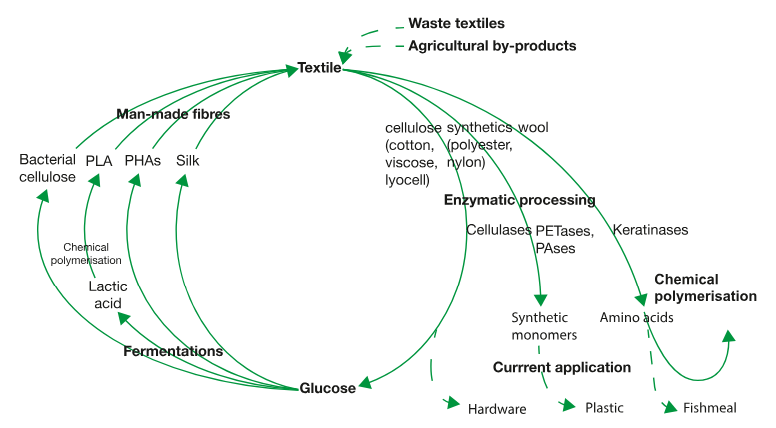
Figure-08: This is a Closed Recycling Loop for Bio Textiles Using Natural Depolymerization and Polymerization Reactions
Challenges to Mainstream Adoption
| Challenge | Impact | Solution |
|---|---|---|
| Limited Scale | Cannot yet meet global demand | Investment in biotech and regenerative farming |
| Higher Costs | Bio-textiles cost more than synthetics | Government subsidies, economies of scale |
| Performance Limitations | Some bio-textiles lack durability or washability | Material blending, surface engineering |
| Consumer Awareness | Many consumers are unaware of these innovations | Marketing, eco-labeling, and storytelling by brands |
| Certification Gaps | Lack of standard sustainability metrics | Development of global bio-material certifications |
| Supply Chain Complexity | Difficulty sourcing consistent, high-quality bio-materials | Building local supply networks, vertical integration |
| Short Shelf Life | Some bio-materials degrade faster than synthetic alternatives | Innovation in preservation, packaging, and storage |
| Regulatory Hurdles | Delays in approval for new materials | Streamlined policies and international regulatory alignment |
| Limited Design Flexibility | Some materials restrict fashion designers’ creativity | Hybrid materials and advancements in textile processing |
| Consumer Skepticism | Doubts about quality or greenwashing | Transparency, third-party verifications, and clear sustainability labeling |
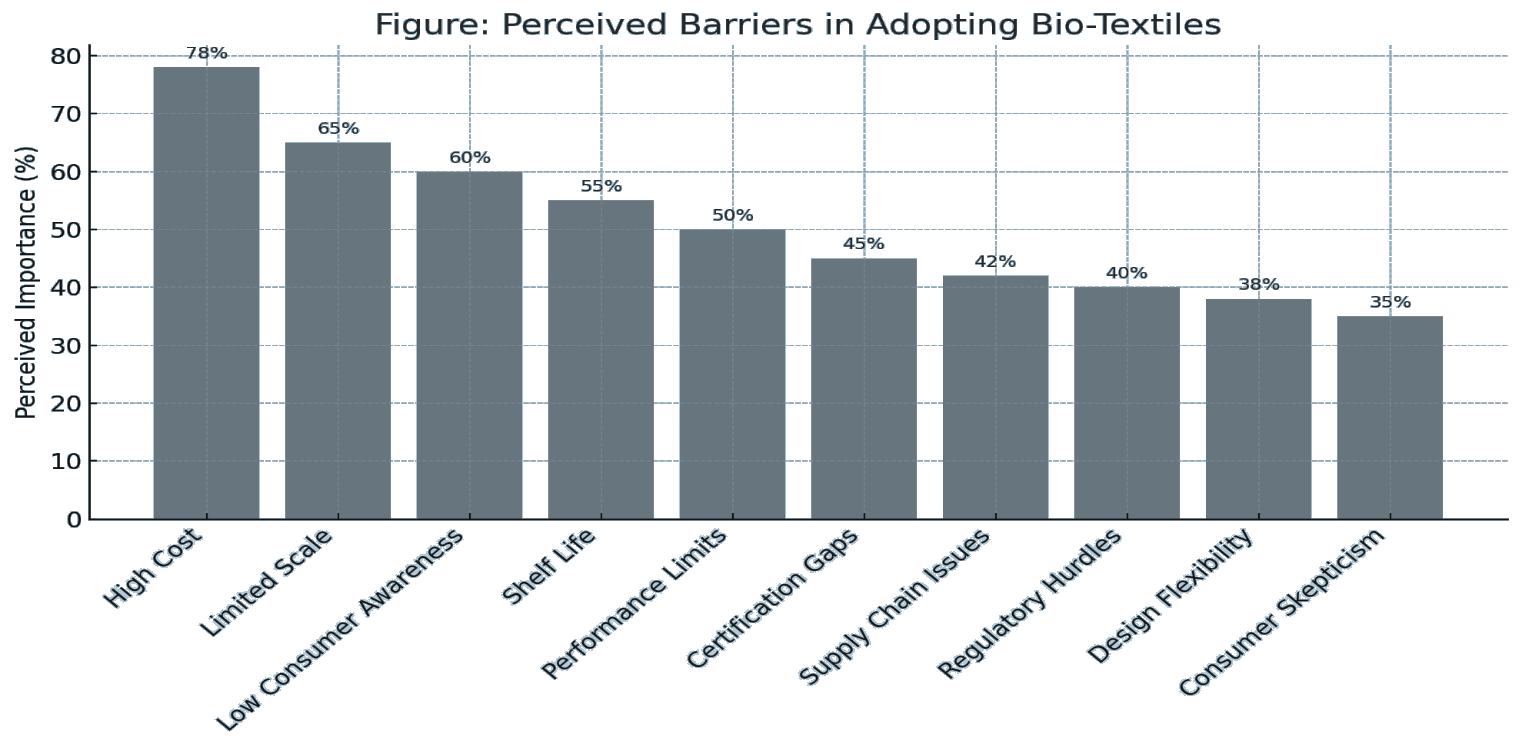
Figure-09: Perceived Barriers in Adopting Bio-Textiles, the hypothetical percentage of industry experts or consumers who consider each challenge significant.
Real-World Applications and Innovations
| Innovation | Companies / Innovators | Material Source | Key Features | Notable Brands / Applications | Sustainability & Social Impact |
| Mycelium Leather | Bolt Threads (USA), MycoWorks (USA) | Fungal mycelium (grown on agricultural waste) | Biodegradable- Animal free, Soft, strong, leather like texture, grows in 2–3 weeks | Stella McCartney: Mylo™ handbagAdidas: Stan Smith Mylo prototypeHermès: Victoria bag with Reishi™ | Up to 90% lower carbon footprint than animal leather, Minimal water use, Supports clean lab-grown alternatives |
| Algae-Based Yarns & Bioplastics | AlgiKnit (USA), Biolive (Turkey), Kelpi (UK) | Kelp, brown algae (e.g., Laminaria) | Fast growing, Antimicrobial, Compostable, Breathable | AlgiKnit: Prototypes for athletic wearKelpi: Cosmetic bio packagingBiolive: Bio-resins for packaging | No arable land or freshwater required, absorbs CO₂ during growth, fully biodegradable |
| Fruit Waste Fabrics | Orange Fiber (Italy), Ananas Anam (UK/Philippines) | Citrus pulp (Orange Fiber), Pineapple leaves (Piñatex®) | Silky texture (Orange Fiber), Leather-like (Piñatex®), Lightweight, breathable | Salvatore Ferragamo: Orange fiber collection H&M, Hugo Boss, Nike: Piñatex® bags, shoes | Diverts fruit waste from landfills, non-toxic, closed-loop production, low energy and water usage |
| Banana & Coconut Fibers | Green Whisper (India), COCOECO (Sri Lanka), JDPC (Bangladesh) | Banana pseudostemsCoconut husks | Durable, UV-resistant, breathable, and biodegradable | Home textiles, bags, ropes; Handloom products in Bangladesh & India | Promotes rural employment, revives indigenous crafts, and zero-waste use of agricultural by-products |
Evaluating Sustainability and Practical Adoption
The sustainability and usage scores of various bio-based textiles reveal a promising shift in the fashion industry toward eco-friendly alternatives. Mycelium leather and algae-based textiles rank at the top in extreme sustainability, owing to a low environmental footprint and biodegradability. When it comes to usage grade, mycelium leather owns the top position with algae-based and fruit waste-based fabrics right on its heels, showing the increasing incorporation of these fabrics in commercial products. There lies a deep insight into the materials owning a double the ability to perform ecologically and present in the real world; this ability becomes a must so that it can foster adoption at a large scale and enforce impact in the long run.
Figure-10: Sustainability Score highlights how eco-friendly each bio-based textile is.
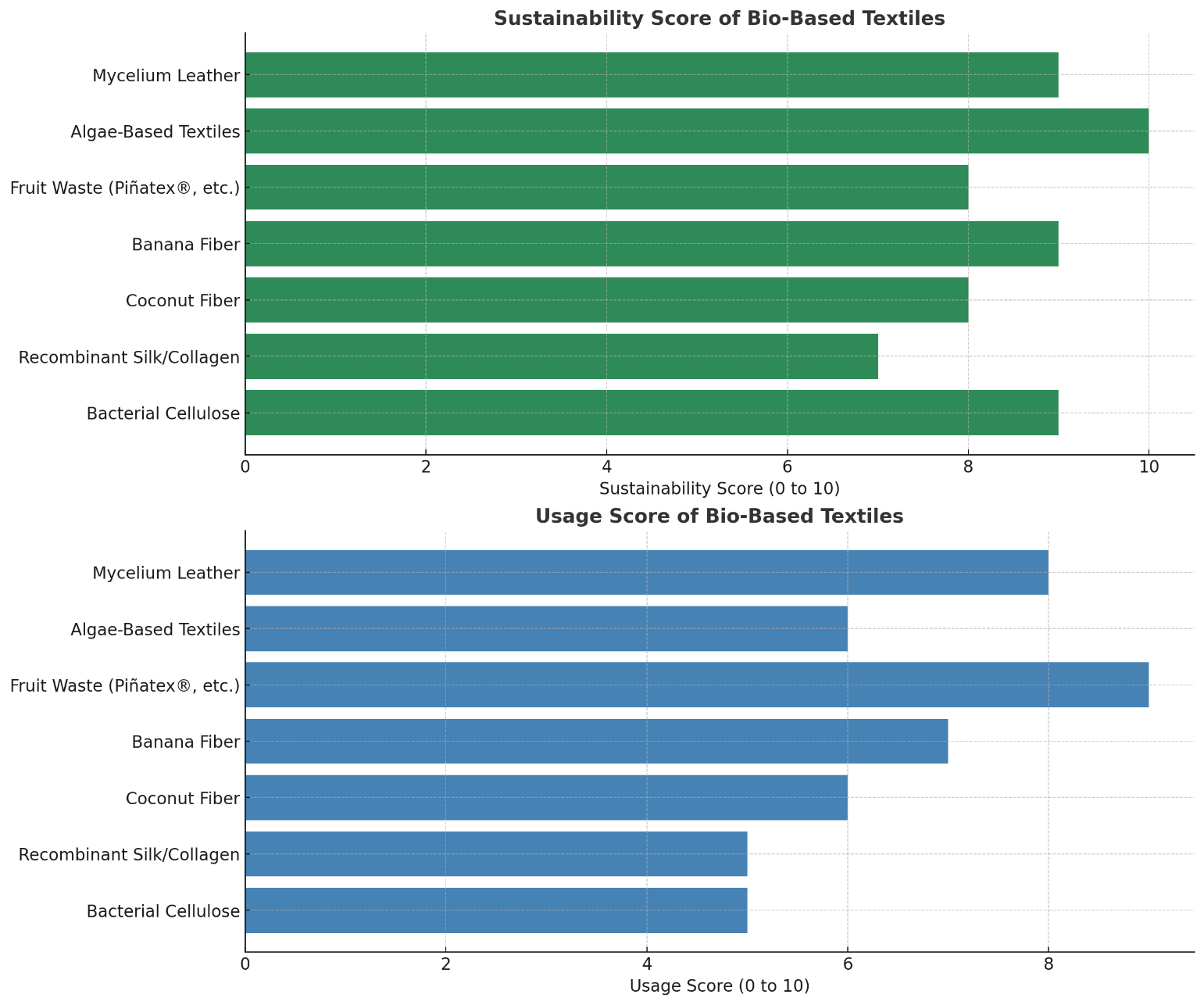
Figure-11: Usage Score reflects how widely and practically each material is used currently.
Note: The most sustainable textiles, like algae-based and bacterial cellulose, are not yet the most widely used. Bridging this gap requires scaling innovation, market support, and consumer awareness.
Consumer Perception and Market Trends:
The markets are experiencing a massive explosion of demand for environmentally safe and ethically manufactured textiles owing to increasing consumer awareness of sustainability. The top-tier brands—Adidas, Stella McCartney, Patagonia are using biomaterials in their own product lines, such as mycelium leather, algae fiber, fruit waste fabric, etc., to marry consumer aspirations. With modern consumers, it’s not just about the product anymore: factors such as transparency about the source, third-party certifications (GOTS, OEKO-TEX), and interesting stories related to the materials and production processes are taking center stage. Consequently, brands are now using storytelling and traceability as tools to forge trust, ad engagement, and stand apart in a market that immensely prioritizes sustainability.
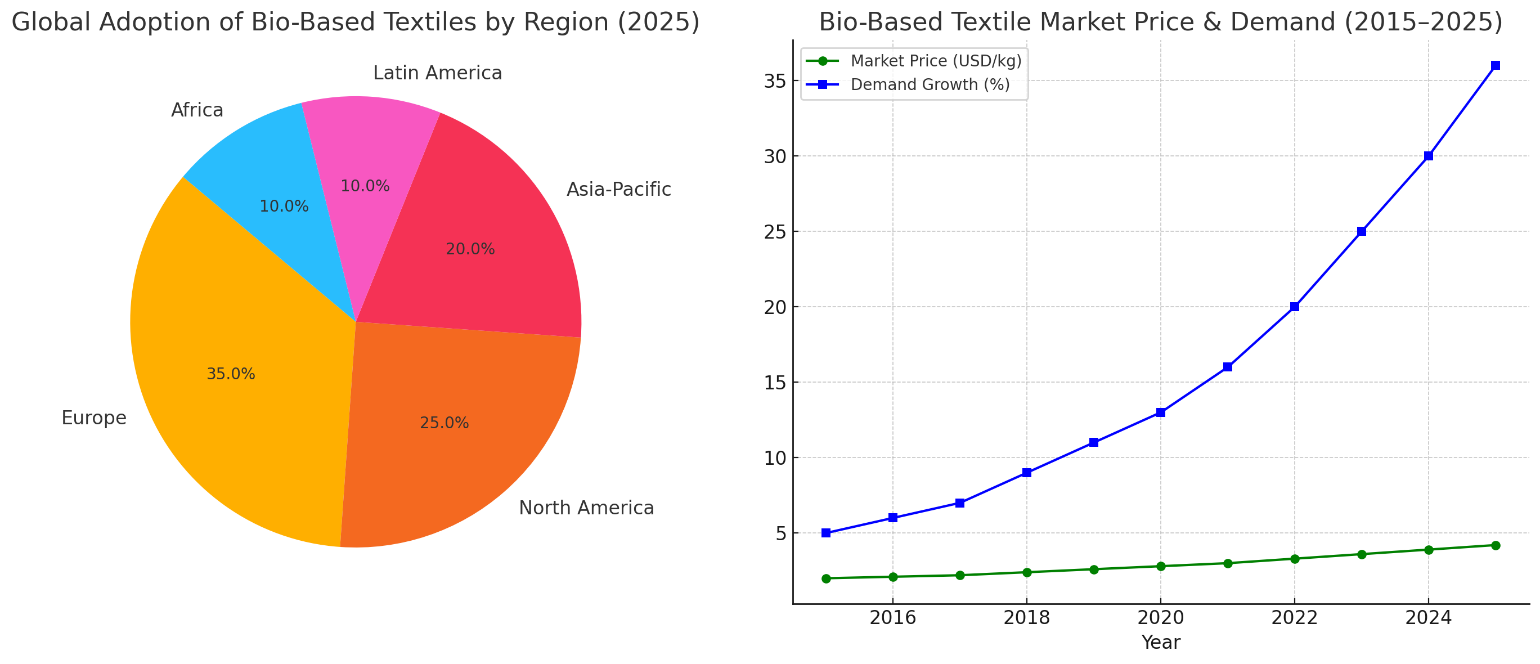
Figure-12: Left (Pie Chart): The global regional adoption of bio-based textiles in 2025, with Europe leading at 35%, followed by North America and Asia-Pacific.
Figure-13: Right (Line Chart): Trends in market price and demand for bio-based textiles from 2015 to 2025, showing steady growth in both pricing and consumer demand.
Bangladesh’s Opportunity in the Bio-Textile Era
Being the second-largest garment exporter in the world, Bangladesh stands in a strategic position to becoming the leader in bio-textiles by using natural fibers like jute, banana, and water hyacinth. Such products as the ‘Sonali Bag’ and Lotus silk reveal homemade eco-innovations. With 229+ green certified factories and increasingly bio-dye usages, Bangladesh is walking the sustainability talk of the world. It set a new record with $38.5 billion worth of exports in 2024, aiming to reach $110 billion in 2027. Together with governmental support, research, and start-up culture, the whole setting transforms into a huge potential for Bangladesh to emerge as a center for sustainable fashion.
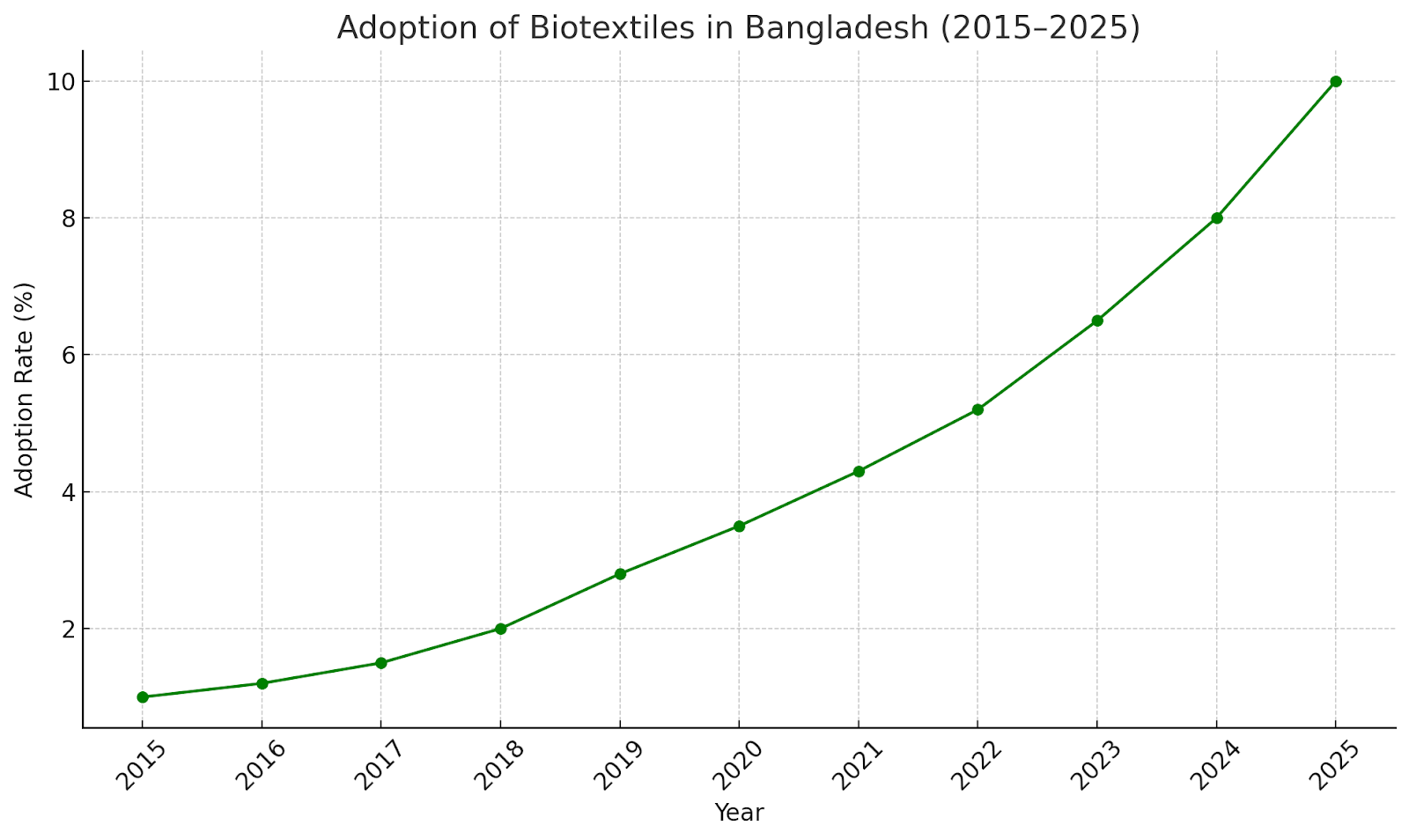
Figure-14: The Hypothetical Adoption Rate of Bio Textiles in Bangladesh from 2015 To 2025.
The Future of Fabric:
• Microbe-Grown Materials (Lab-Grown Fabrics)
Synthetic biology enables engineered microbes like yeast and bacteria to grow custom textiles. Companies like Modern Meadow are developing lab-grown leather, which will reduce animal use and toxic tanning.
• Smart Bio-Textiles (Wearable Functionality)
Natural fibers are enhanced with biosensors to track body vitals or environmental changes. For example, algae-based fabrics can shift color with UV or pH exposure, blending health monitoring with fashion.
• Microbial Dyeing (Eco-Friendly Color)
Startups like Colorifix and PILI use bacteria to produce vibrant dyes using less water and no harmful chemicals. This innovation tackles the huge pollution problem of traditional dyeing.
• 3D Printing with Biopolymers (Zero-Waste Fashion)
Biodegradable plant-based polymers like PLA allow on-demand, 3D-printed clothing. Brands like Zellerfeld are using this to reduce fabric waste and overproduction.
• Localized Material Sourcing (Eco Supply Chains)
Using local resources—such as jute or banana fiber in Bangladesh or mycelium in Europe—reduces emissions and supports circular, community-based economies.
• AI & Digital Fabrication (Smart Design)
AI tools can predict trends, create digital samples, streamline production, helping fashion brands avoid overproduction and reduce environmental impact.
• Algae Farming in Cities & Coasts (Dual Purpose Textiles)
Urban and coastal algae farms may soon supply fiber and natural dyes while absorbing CO₂, supporting both sustainability and climate resilience.

Figure-15: Future Scope of Innovations in Bio-Based Textile Technologies
Note: Microbe-grown fabrics (28%) and bio-based dyeing (22%) lead textile innovations, offering sustainable, low-impact production. Smart textiles and 3D-printed plant polymers also show strong potential for personalized, zero-waste fashion, while local materials and hybrid methods support circularity and regional resilience.
Conclusion
The rise of bio-based textiles represents a powerful shift from extractive to regenerative fashion. These materials provide fashion with a way to be not only aesthetically pleasing but also a force for good for humans, animals, and the environment. Hindered by technical and economic obstacles, the momentum surrounding the subject remains nonetheless what it is. This world of shock and awe gets closer each day when designers, scientists, and consumers embrace this new future where every garment tells a story of renewal instead of depletion. Tomorrow’s fabric is not oil-based. It is material grown from life, brewed from life, peeled from life, and crafted into textiles from life. Bio-based textiles are neither a fleeting trend nor a fleeting fad- they are steadily becoming the future of fashion. The advent of various materials stemming from algae, mushrooms, bacteria, and fruit wastes provides the fashion industry with greener solutions that ensure reduced pollution and conserved resources. Such innovations manufacture fabrics endowed with strength, flexibility, and even smartness in an environmentally friendly manner. There are still some barriers around cost, mass production, and consumer awareness, but the breakthroughs in biotechnology and design and the increased global interest present one rewarding prospect. For a country like Bangladesh, this would be a golden opportunity to take the lead in sustainable textile and thus reshape how it plays in the global fashion arena. As Earth continues to unravel into an environment-conscious living being, someone needs to tell the story of how bio-based textiles are breeding a responsible future for fashion out of nature and science.
Reference:
- Alongi, J., Carletto, R. A., Bosco, F., Carosio, F., Di Blasio, A., Cuttica, F., et al. (2014). Caseins and Hydrophobins as Novel Green Flame Retardants for Cotton Fabrics. Polymer Degradation and Stability, 99, 111–117. https://doi.org/10.1016/j.polymdegradstab.2013.11.016
- Andlar, M., Rezić, T., Marđetko, N., Kracher, D., Ludwig, R., & Šantek, B. (2018). Lignocellulose Degradation: An Overview of Fungi and Fungal Enzymes Involved in Lignocellulose Degradation. Engineering in Life Sciences, 18, 768–778.
- Appels, F. V. W., Camere, S., Montalti, M., Karana, E., Jansen, K. M. B., Dijksterhuis, J., et al. (2019). Fabrication Factors Influencing Mechanical, Moisture- and Water-Related Properties of Mycelium-Based Composites. Materials & Design, 161, 64–71.
- Appels, F. V. W., Dijksterhuis, J., Lukasiewicz, C. E., Jansen, K. M. B., Wösten, H. A. B., & Krijgsheld, P. (2018). Hydrophobin Gene Deletion and Environmental Growth Conditions Impact Mechanical Properties of Mycelium by Affecting the Density of the Material. Scientific Reports, 8, 4703. https://doi.org/10.1038/s41598-018-23171-2
- Aranaz, I., Mengibar, M., Harris, R., Panos, I., Miralles, B., Acosta, N., et al. (2009). Functional Characterization of Chitin and Chitosan. Current Chemical Biology, 3, 203–230.
- Arantes, V., & Goodell, B. (2014). Current Understanding of Brown-Rot Fungal Biodegradation Mechanisms: A Review. ACS Symposium Series, 1158, 3–21.
- Wardman, R. H. (2018). An Introduction to Textile Coloration. John Wiley & Sons Ltd.: Hoboken, NJ, USA.
- Islam, M. T., Islam, T., Islam, T., & Repon, M. R. (2022). Synthetic Dyes for Textile Colouration: Process, Factors and Environmental Impact. Textile & Leather Review, 5, 327–373.
- Aspland, J. R. (1993). The Structure and Properties of Disperse Dyes and Related Topics. Textile Chemist and Colorist, 25, 21–25.
- Aspland, J. R. (1992). Reactive Dyes and Their Application. Textile Chemist and Colorist, 24, 31–36.
- Mahltig, B., Rabe, M., & Muth, M. (2019). Textiles, Dyeing, and Finishing. In Kirk-Othmer Encyclopedia of Chemical Technology (pp. 1–35). John Wiley & Sons Ltd.: Hoboken, NJ, USA.
- Hanbing, W., Haase, H., & Mahltig, B. (2020). Cationic Pretreatment for Reactive Dyeing of Cotton and its Simultaneous Antibacterial Functionalisation. Tekstilec, 63, 27–37.
- Seilnacht, T. (2018). Pigmente und Bindemittel. Seilnacht Verlag & Atelier: Bern, Switzerland.
- Hughes, D. F. K., Robb, I. D., & Dowding, P. J. (1999). Stability of Copper Phthalocyanine Dispersions in Organic Media. Langmuir, 15, 5227–5231.
- Li, L., Charati, M. B., & Kiick, K. L. (2010). Elastomeric Polypeptide-Based Biomaterials. Polymer Chemistry, 1, 1160.
- Morris, K., & Serpell, L. (2010). From Natural to Designer Self-Assembling Biopolymers: The Structural Characterisation of Fibrous Proteins and Peptides Using Fibre Diffraction. Chemical Society Reviews, 39, 3445.
- Sottile, J., & Hocking, D. C. (2002). Fibronectin Polymerization Regulates the Composition and Stability of Extracellular Matrix Fibrils and Cell-Matrix Adhesions. Molecular Biology of the Cell, 13, 3546.
- Schwarzbauer, J. E., & Sechler, J. L. (1999). Fibronectin Fibrillogenesis: A Paradigm for Extracellular Matrix Assembly. Current Opinion in Cell Biology, 11, 622.
- Vogel, V. (2006). Mechanotransduction Involving Multimodular Proteins: Converting Force into Biochemical Signals. Annual Review of Biophysics and Biomolecular Structure, 35, 459.
- Vollrath, F., Porter, D., & Holland, C. (2011). There Are Many More Lessons Still to Be Learned from Spider Silks. Soft Matter, 7, 9595.
- Hearle, J. W. S. (2007). Protein Fibers: Structural Mechanics and Future Opportunities. Journal of Materials Science, 42, 8010.
- Heim, M., Keerl, D., & Scheibel, T. (2009). Spider Silk: From Soluble Protein to Extraordinary Fiber. Angewandte Chemie International Edition, 48, 3584.
- Luo, C. J., Stoyanov, S. D., Stride, E., Pelan, E., & Edirisinghe, M. (2012). Electrospinning Versus Fibre Production Methods: From Specifics to Technological Convergence. Chemical Society Reviews, 41, 4708.
- Smith, M. L., Gourdon, D., Little, W. C., Kubow, K. E., Eguiluz, R. A., Luna-Morris, S., & Vogel, V. (2007). Force-Induced Unfolding of Fibronectin in the Extracellular Matrix of Living Cells. PLoS Biology, 5, 2243.
- Material Function of Mycelium-Based Bio-Composite: A Review. https://www.researchgate.net/publication/354953007
- Protein-Based Textiles: Bio-Inspired and Bio-Derived Materials for Medical and Non-Medical Applications. https://www.researchgate.net/publication/263480467
- ScienceDirect Article on Mycelium-Based Composites – https://www.sciencedirect.com/science/article/abs/pii/S2352186421004089
- JRC Explains – Unlocking the Potential of Bio-Based Textiles. European Commission. https://joint-research-centre.ec.europa.eu/jrc-explains/jrc-explains-unlocking-potential-bio-based-textiles_en
- The Role of Bio-Based Textile Fibres in a Circular and Sustainable Textile System. https://www.researchgate.net/publication/368880906_The_role_of_bio-based_textile_fibres_in_a_circular_and_sustainable_textiles_system
- Ahmed, A. T. M. F., et al. (2022). Hemp as a Potential Raw Material toward a Sustainable World: A Review. Heliyon, 8(1). https://doi.org/10.1016/j.heliyon.2022.e08753
- Advances in Bio-Based Fibers. Fiber Journal. https://www.fiberjournal.com/advancesin-bio-based-fibers/
- Antar, M., Lyu, X., Zahoor, M., Ahmed, B., & Zhang, Y. (2021). Biomass for a sustainable bioeconomy: An overview of world biomass production and utilization. Renewable and Sustainable Energy Reviews, 139, 110685. https://doi.org/10.1016/j.rser.2020.110685
- de Oliveira, C. R. S., Silva, A. F. M., Santos, F. D. S., da Silva, L. F. A., & da Silva, V. L. (2021). Textile re-engineering: Eco-responsible solutions for a more sustainable industry. Sustainable Production and Consumption, 28, 1232–1248. https://doi.org/10.1016/j.spc.2021.08.001
- Ding, W., Li, S., Ma, S., Zhang, M., Zhang, Y., Chen, Z., & Liu, J. (2023). A novel synergistic covalence and complexation bridging strategy based on multi-functional biomass-derived aldehydes and Al(III) for engineering high-quality eco-leather. Science of the Total Environment, 885, 163937.
- Fan, S., Liu, Y., Cui, Y., Zhang, L., & Zhang, Y. (2019). Super-strong and intrinsically fluorescent silkworm silk from carbon nanodots feeding. Nano-Micro Letters, 11, Article 76. https://doi.org/10.1007/s40820-019-0306-0
- Gomes, S. C., Leonor, I. B., Mano, J. F., Reis, R. L., & Kaplan, D. L. (2011). Antimicrobial functionalized genetically engineered spider silk. Biomaterials, 32(2), 425–433.
- Gupta, B., Revagade, N., & Hilborn, J. (2007). Poly(lactic acid) fiber: An overview. Progress in Polymer Science, 32(4), 455–482.
- Heuritech. (n.d.). Fashion fabric innovations: From spider silk to algae. Retrieved May 22, 2025, from https://heuritech.com/articles/fashion-fabric-innovations/
- Lee, K., Lee, J., Park, Y., Cho, D., & Kim, J. (2021). Double-crosslinked cellulose nanofiber based bioplastic films for practical applications. Carbohydrate Polymers, 264, 118030.
- Mathangadeera, R. W., Said, M., & Saha, S. (2020). Importance of cotton fiber elongation in fiber processing. Industrial Crops and Products, 154, 112667.
- Protz, R., Koch, D., & Buchmeiser, M. R. (2021). Solubility and spinnability of cellulose-lignin blends in aqueous NMMO. Carbohydrate Polymers, 262, 117939.
- Rahmat, M., Wibowo, A., & Kim, J. (2016). Silane crosslinking of electrospun poly(lactic acid)/nanocrystalline cellulose bionanocomposite. Materials Science and Engineering: C, 63, 94–100.
- Satyanarayana, K. G., Arizaga, G. G. C., & Wypych, F. (2009). Biodegradable composites based on lignocellulosic fibers—An overview. Progress in Polymer Science, 34(9), 982–1021.
- Springer. (n.d.). Combining biomaterials with advanced technologies for functional textiles. In Functional Textiles and Clothing for a Sustainable Future. Retrieved May 22, 2025, from https://link.springer.com/chapter/10.1007/978-981-97-6968-1_7
- Wu, Y., Cheng, Y., Wang, R., Yu, L., Yang, X., Xu, L., … & Li, C. (2023). Bacterial cellulose-based dressings with photothermal bactericidal activity and pro-angiogenic ability for infected wound healing. Journal of Materials Science & Technology, 157, 119–131.
- Xu, Z., Liu, Y., Wang, D., Zhang, J., & Zhang, Q. (2022). Spinning from nature: Engineered preparation and application of high-performance bio-based fibers. Engineering, 8(2), 150–162.
- Zhang, Z., Chen, Y., Yu, H., Wang, Y., & Li, M. (2023). Melt-spun bio-based PLA-co-PET copolyester fibers with tunable properties: Synergistic effects of chemical structure and drawing process. International Journal of Biological Macromolecules, 231, 123404.